Can You Drink the Water in Morocco? | A Guide for Travelers
Travelers to Morocco often ask whether tap water is safe to drink. While tolerance varies, most visitors choose filtered or bottled water to avoid digestive issues. This guide outlines best practices for staying hydrated and healthy while traveling in Morocco. come to Morocco
Drink in Morocco for Tourists Staying in Riads and Hotels?
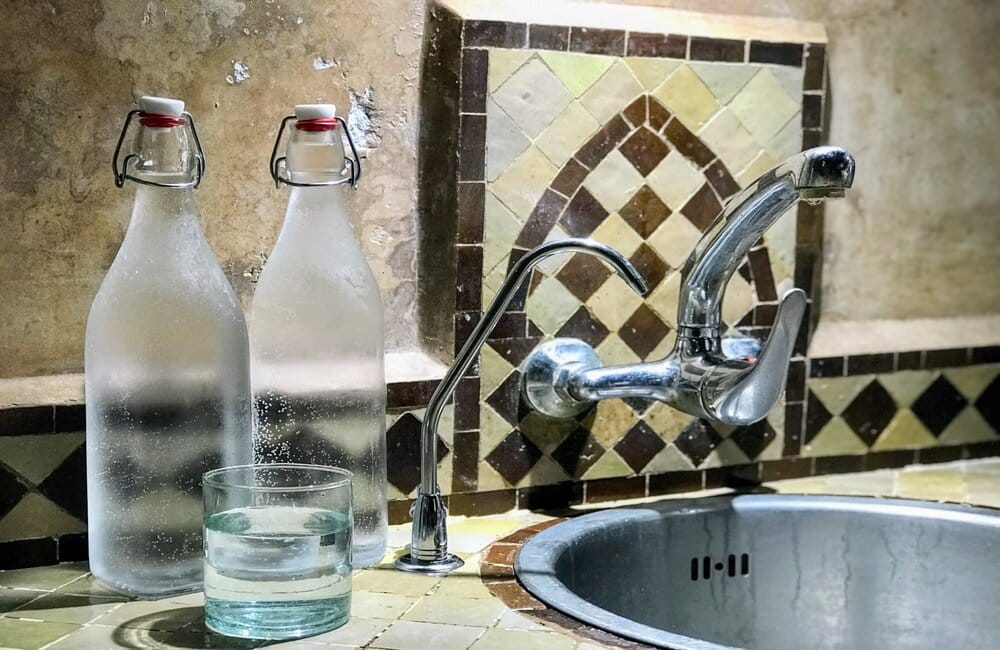
Most travel health authorities advise travelers to avoid drinking tap water in Morocco, even in major cities. Differences in water quality, mineral content, and local bacteria can cause digestive discomfort or traveler’s diarrhea. As a precaution, travelers should avoid untreated tap water—including ice and water used for brushing teeth—unless they confirm it has been purified.
Drink in Morocco When Traveling Through Desert Regions?
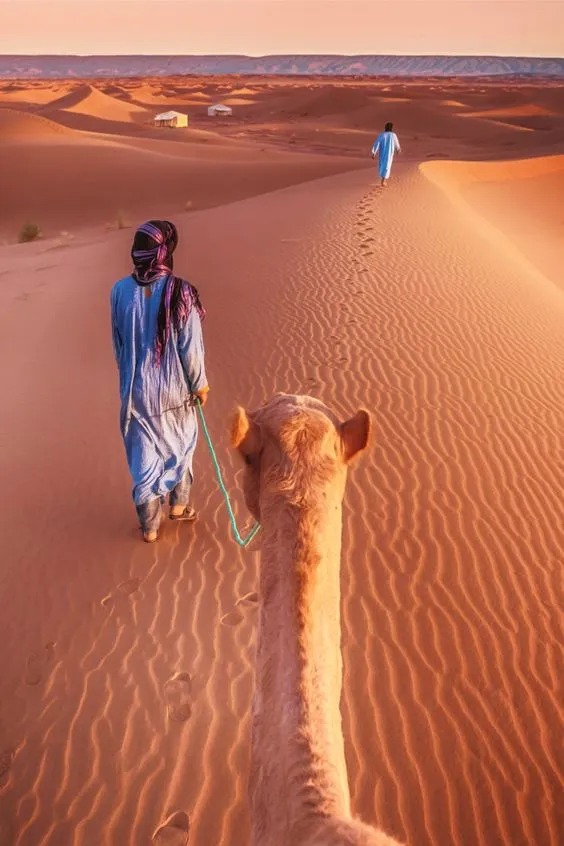
In Morocco desert regions such as Merzouga and Zagora, drinking tap or well water is not recommended. Although the water is generally safe for locals, its mineral content and bacterial composition often cause gastrointestinal illness in visitors.
Water Safe to Drink in Morocco While Sleeping Under the Berber Tent?
In remote desert camps, tap or well water is generally not safe for travelers to drink. Unlike treated municipal water in major cities, desert camps rely on local wells or springs whose mineral and bacterial content can cause gastrointestinal illness in visitors.
Is Water Safe to Drink in Morocco When Connecting With Local Communities?
When engaging with local communities in Morocco, travelers should generally avoid drinking tap or untreated water. Although urban water systems safely serve the local population, differences in mineral composition and bacterial flora may cause gastrointestinal issues for international visitors and potentially disrupt travel plans.
Is Water Safe to Drink in Morocco in Cities?
Major Cities: Municipal water generally meets WHO standards; however, high mineral and chlorine levels and aging infrastructure in historic districts may cause digestive discomfort for visitors. Tourists often opt for bottled water as a precaution.
Rural & Remote Areas: Water quality poses a higher risk due to well and spring sources, limited infrastructure, and potential agricultural contamination. Drinking untreated water is not recommended.