Understanding Safety: Is It Safe for Tourists to Walk Around Cities in Morocco?
Morocco is a country that captivates travelers with its colorful markets, historic architecture, and warm hospitality. From the winding alleys of Marrakech’s medina to the coastal streets of Casablanca, Morocco offers countless opportunities to explore on foot. However, for first-time visitors, a common concern arises: Is it safe for tourists to walk around cities in Morocco? Understanding the safety landscape, local customs, and practical tips can make your Moroccan adventure both enjoyable and secure.
Common Risks Tourists Face While Walking in Moroccan Cities
Overall, Morocco is considered a relatively safe country for tourists, especially in urban areas and popular tourist districts. Millions of visitors navigate Moroccan cities each year, enjoying the sights, sounds, and flavors without major issues. Violent crime against tourists is rare, but petty theft, like pickpocketing or bag snatching, can occur in crowded areas.
Why Moroccan cities feel safe:
-
Moroccan culture places a strong emphasis on hospitality. Tourists are generally welcomed warmly.
-
Police presence is noticeable in tourist areas, helping maintain security.
-
Most cities have well-lit main streets, markets, and squares, which are easy to explore during the day and early evening.
That said, like any travel destination, staying alert and exercising common-sense safety precautions is essential.
Common Concerns for Tourists Walking in Moroccan Cities
When walking around Moroccan cities, some issues are more common than others. Being aware of these can help you navigate safely:
1. Petty Theft and Pickpocketing
Crowded marketplaces, tourist attractions, and public transport hubs are prime spots for pickpockets. To minimize risk:
-
Keep wallets in front pockets or a secure crossbody bag.
-
Avoid displaying expensive items like cameras, jewelry, or smartphones in crowded areas.
-
Be cautious when someone distracts you with questions or “offers to help.”
2. Aggressive Street Vendors
Morocco is famous for its souks (markets) filled with spices, carpets, and handicrafts. Some vendors can be persistent, especially if they see tourists unsure about bargaining. Tips:
-
Learn basic bargaining phrases in Arabic or French.
-
Politely but firmly decline items you’re not interested in.
-
Remember that walking away is perfectly acceptable.
3. Navigating Crowded and Narrow Streets
Medinas, the historic districts of Moroccan cities, are maze-like and densely populated. While wandering these streets is part of the charm, it can be confusing:
-
Use a GPS app or offline map to keep track of your location.
-
Consider hiring a local guide for your first stroll—this not only improves safety but also provides cultural insights.
-
Avoid wandering into narrow alleys alone at night.
Safe Neighborhoods for Tourists Walking Around Cities in Morocco
While Morocco is largely safe, sticking to well-known areas ensures a worry-free experience.
Marrakech: Safe Streets and Popular Walking Routes
-
Marrakech Medina: Explore the Jemaa el-Fnaa square and surrounding souks during the day. Avoid isolated alleys after dark.
-
Gueliz District: The modern part of Marrakech is safe for evening walks, cafes, and shopping.
Fes: Tips for Tourists Walking Through the Medina Safely
-
Fes el-Bali: This UNESCO World Heritage site is a cultural treasure. Navigating its narrow lanes can be tricky, so consider hiring a local guide.
-
Fes el-Jdid: More open streets and modern areas are safer for solo walks.
Casablanca and Rabat: Where Tourists Can Walk Confidently
-
Corniche: The coastal promenade is excellent for evening walks and scenic views.
-
Habbous District: Known for markets and historic charm, it’s generally safe during the day.
Rabat
-
City Center: Wide streets, government buildings, and cafes make Rabat one of Morocco’s safest cities for strolling.
-
Kasbah of the Udayas: Safe for sightseeing, especially in daylight.
Practical Tips for Walking Safely in Morocco
1. Dress Modestly
Morocco is a predominantly Muslim country, and modest clothing helps avoid unwanted attention. Long sleeves, loose-fitting clothes, and covering shoulders and knees are recommended, especially for women.
2. Avoid Walking Alone at Night in Secluded Areas
While main streets and tourist districts are generally safe, it’s wise to avoid deserted alleys or poorly lit areas late at night.
3. Use Official Transportation When Needed
If you need to travel at night or to a less familiar district, official taxis or ride-hailing apps like Careem are safer than hailing random cars.
4. Keep Valuables Secure
-
Use money belts or hidden pouches for passports, cash, and cards.
-
Avoid leaving items unattended at cafes or on park benches.
5. Learn Basic Local Phrases
Polite greetings in Arabic (“Salam Alaikum”) or French (“Bonjour”) can make interactions smoother and reduce misunderstandings. Simple phrases like “No, thank you” in the local language can also help when dealing with persistent vendors.
6. Stay Connected
-
Carry a local SIM card or portable Wi-Fi device to use maps and contact help if needed.
-
Share your travel itinerary with friends or family for added safety.
When Walking Around Moroccan Cities May Be Risky
While Moroccan cities are tourist-friendly, caution is needed in:
-
Remote neighborhoods with low foot traffic
-
Very late-night hours in less busy areas
-
Deserted streets away from main tourist attractions
Awareness and common sense go a long way in preventing most problems.
Enjoying the Cultural Experience While Walking in Morocco
Walking around Moroccan cities is not just about safety—it’s an immersive cultural experience. Here’s why:
-
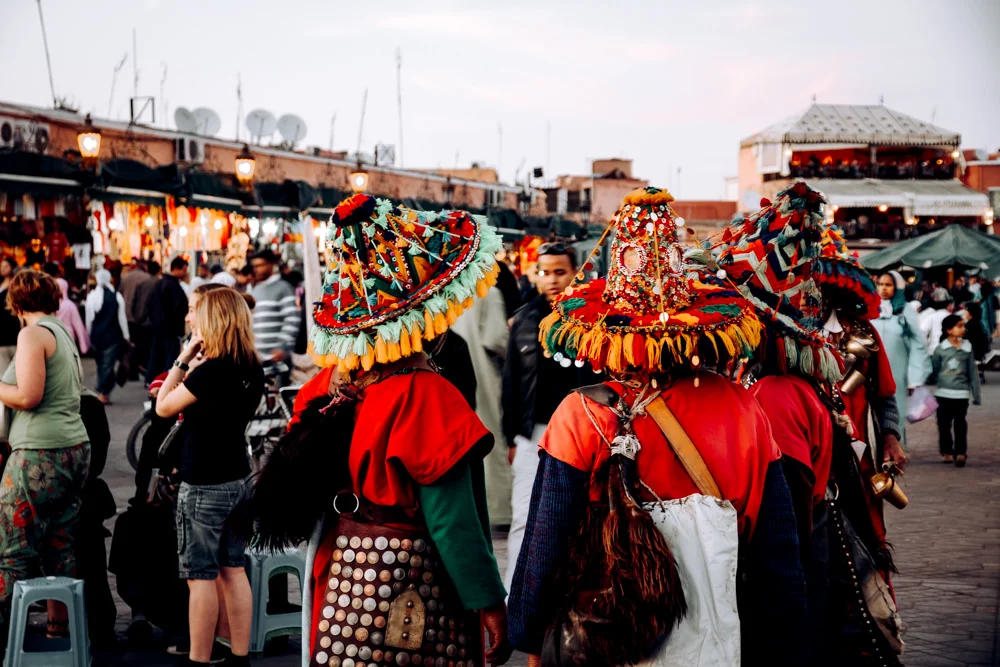
Souks and Markets: Strolling through colorful markets allows you to experience local craftsmanship and vibrant street life.
-
Historic Architecture: From the blue streets of Chefchaouen to the ancient medinas of Fes, walking lets you appreciate Morocco’s architectural beauty.
-
Local Cuisine: Wandering streets introduces you to street food gems, from fresh mint tea to traditional pastries.
-
Community Interaction: Walking invites spontaneous interactions with locals, making your visit more memorable.
By walking safely, you can enjoy Morocco authentically, rather than rushing through tourist hotspots.
Final Thoughts: Is It Safe for Tourists to Walk Around Cities in Morocco?
So, is it safe for tourists to walk around cities in Morocco? Yes—provided you take sensible precautions. Moroccan cities are full of life, color, and history, and walking is the best way to experience them. By staying aware of your surroundings, respecting local customs, and keeping valuables secure, you can explore Morocco confidently.
Walking through Morocco’s cities is not just safe—it’s part of the adventure. With a bit of preparation, you can wander through bustling markets, historic streets, and serene coastal promenades, soaking in the rich culture that makes Morocco a truly unforgettable destination.
Remember: Safety in Morocco is about awareness, not fear. Step out, explore, and enjoy every moment of your journey.