Moroccan People
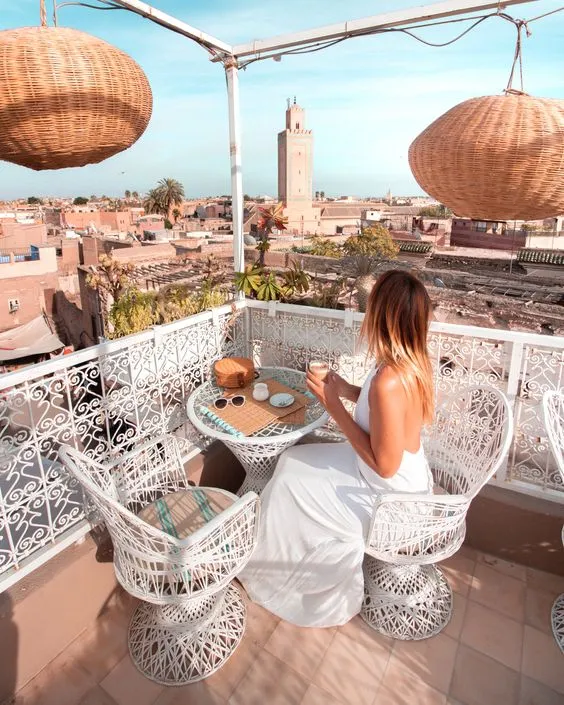
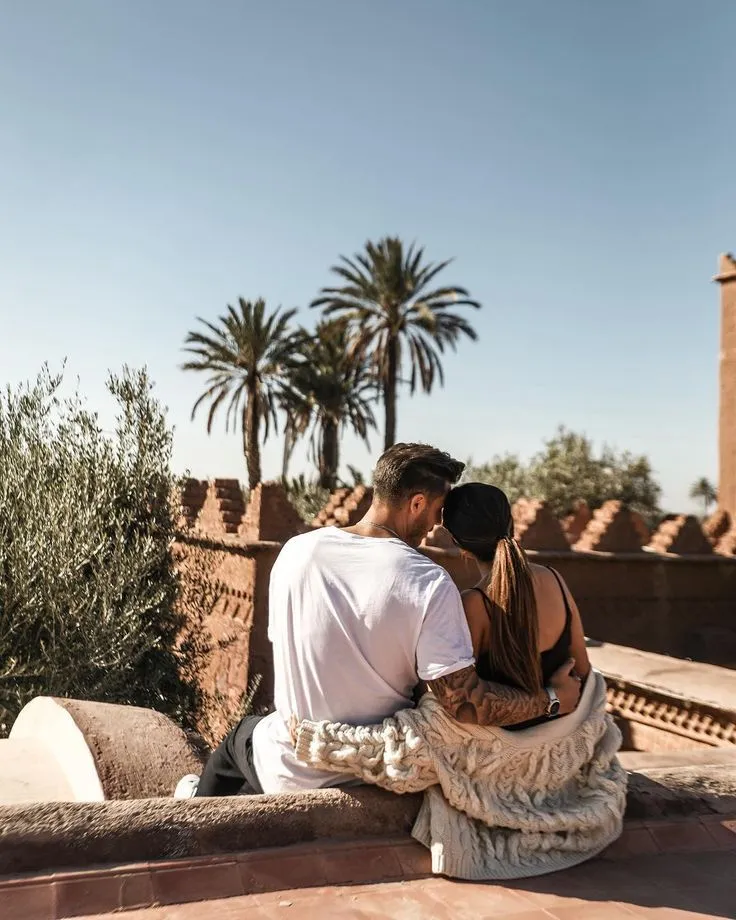
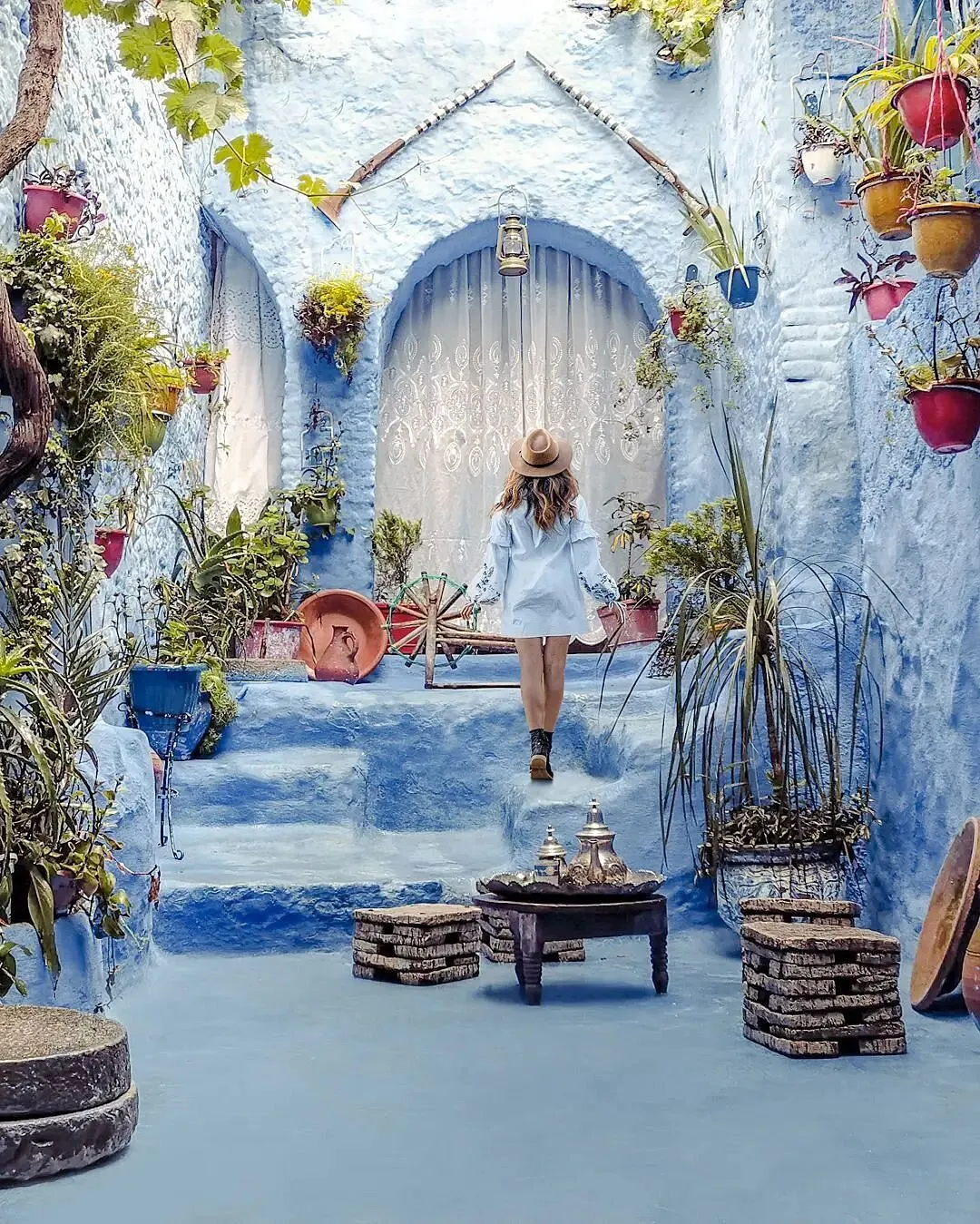
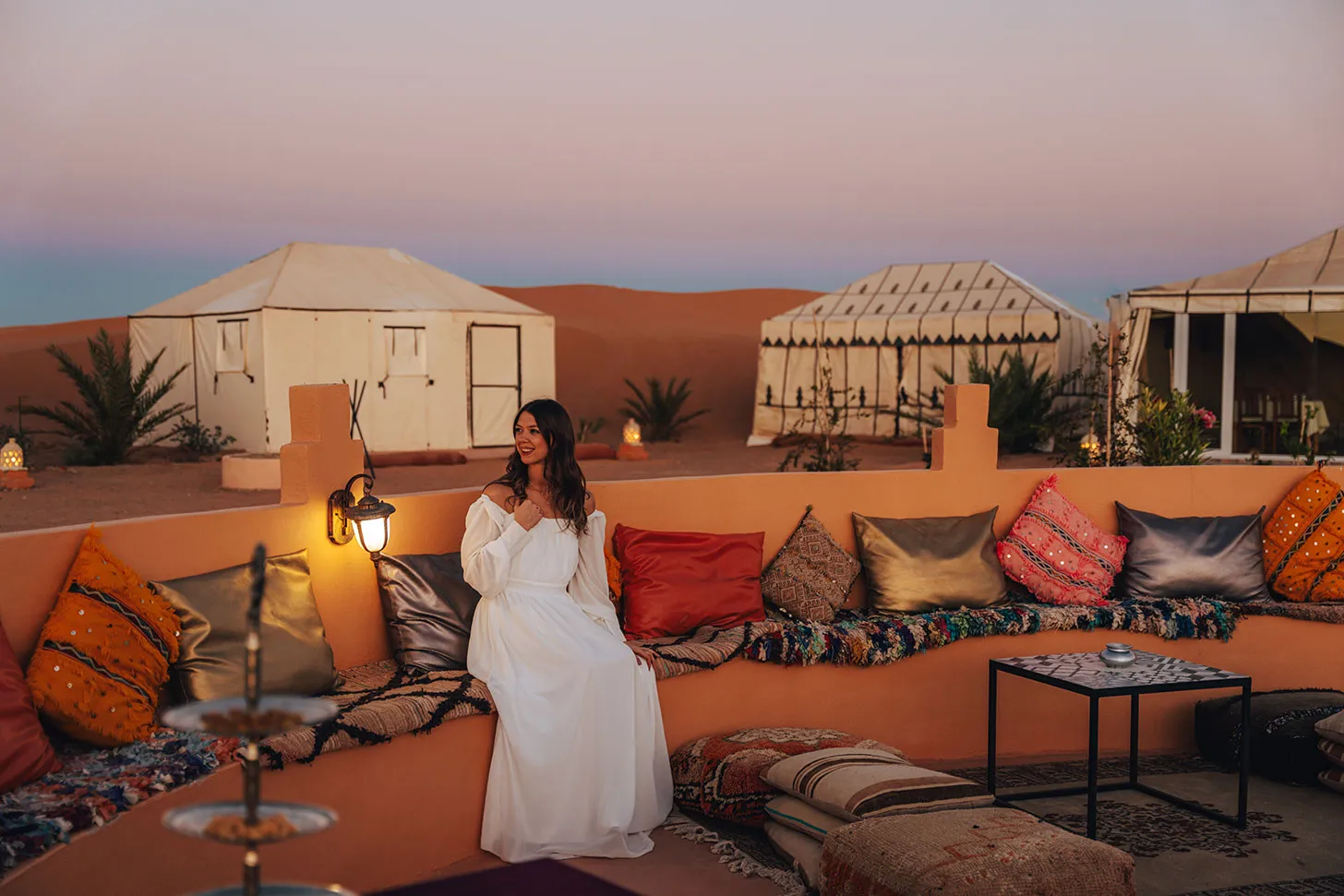
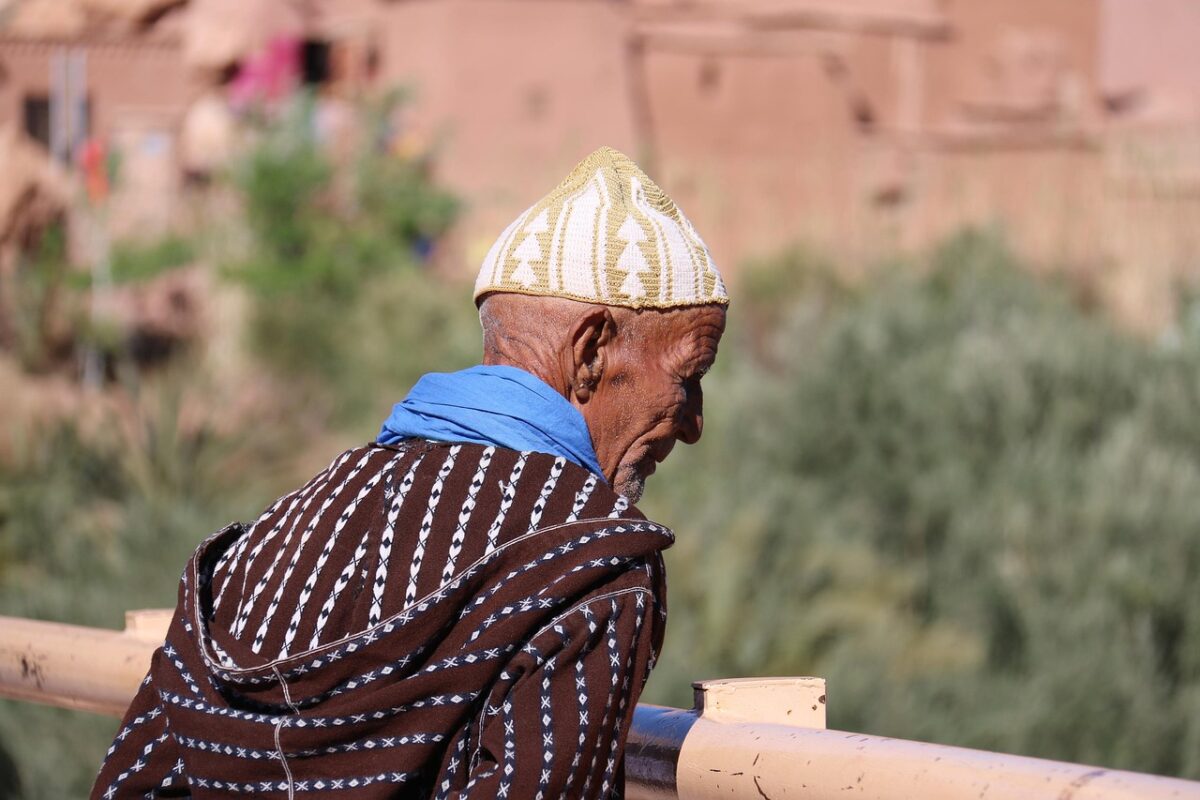
Moroccan people are famous for their genuine kindness, generous hospitality, and the deep sense of community that shapes their daily lives. They come from diverse backgrounds, blending centuries of Arab, Amazigh (Berber), Andalusian, African, and desert nomad influences. This mix creates a culture that is vibrant, colorful, and deeply rooted in history. Whether in large cities or remote villages, Moroccan people share a lifestyle shaped by tradition, family values, and a unique way of welcoming visitors.
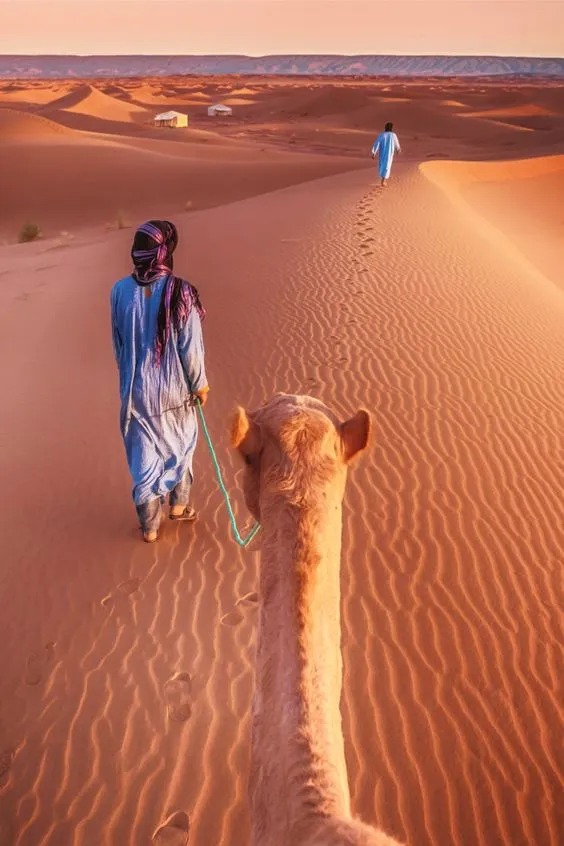
From the busy streets of Marrakech and Casablanca to the peaceful mountains and desert dunes, Moroccan people show kindness in simple daily gestures offering mint tea, sharing stories, or guiding strangers with a smile. Their identity is built on respect, generosity, and pride in their heritage. Understanding Moroccan people means understanding the soul of Morocco itself.
Experience the best of Morocco with So Morocco Tours Agency. Visit our Morocco tours page and let us plan a customized journey that combines comfort, culture, and adventure.
The Diverse Identity of Moroccan People
Moroccan people come from different ethnic roots, yet they live together as one nation. The majority are Amazigh and Arab, but there are also Sahrawis, Sub-Saharan Africans, Andalusian descendants, and Jewish Moroccans. This diversity makes Morocco culturally rich and different from other countries in North Africa.
The Moroccan identity is a blend of languages, traditions, and beliefs that evolved over time. This mixture allowed Moroccan people to keep their authentic lifestyle while being open to the world. You will find modern influences in big cities and traditional customs in villages, but both reflect the same unified Moroccan spirit.
Daily Life and Hospitality of Moroccan People
Hospitality as a Cultural Pillar
Hospitality is one of the strongest characteristics of Moroccan people. Visitors often say Moroccans treat strangers like family. Whether arriving in a small village or entering a local home, you will be offered mint tea, bread, and sometimes a full meal, even if the family does not know you.
This tradition comes from Amazigh and Arab values of generosity and openness. For Moroccan people, sharing is a way to show respect and build human connection. Many families still gather around one big dish, symbolizing unity and equal love for everyone present.
Community and Family Life
Family is at the center of Moroccan society. Many households include grandparents, parents, and children living under the same roof. Decisions are usually discussed with elders, and supporting each other is part of everyday life.
People of Morocco often spend evenings together, drinking tea, talking about the day, and celebrating small moments. In rural areas, neighbors also function as extended family, helping each other during weddings, harvest seasons, and religious celebrations.
Languages Spoken by Moroccan People
A Multilingual Nation
Most Moroccan people speak more than one language. Specifically, the main ones are Darija (Moroccan Arabic) and Amazigh languages such as Tamazight or Tachelhit. In addition, French is widely used in business and education, while Spanish is common in the north. Meanwhile, English is growing, especially among young people.
As a result, this linguistic diversity makes communication flexible. Indeed, many Moroccans can easily switch between two or three languages in a single conversation, creating a unique blend of expression and cultural identity.
Language as a Cultural Bridge Traditions and Customs of Moroccan People
Moroccan traditions are passed down through generations. They include clothing, celebrations, music, and food rituals that reflect the spirit of Moroccan. Every region has its own customs, but the values behind them are the same: community, respect, and joy.
Clothing and Style
Traditional outfits like the djellaba, caftan, and takchita remain important for weddings, Eid, and family gatherings. In rural areas, women still wear bright Amazigh dresses with silver jewelry, showing the artistic identity of their tribes.
In cities, Moroccan combine modern clothing with traditional touches. This mix shows how Morocco protects its roots while embracing modern life.
Food Culture and the Moroccan People
Cuisine is Sign of Love
Food brings people of Morocco together. Meals are prepared with patience, spices, and care. Couscous on Fridays, tagines for family visits, and pastries for celebrations are all part of a culture that values sharing.
Moroccan people believe food tastes better when eaten together. That is why they gather around one big plate and use bread instead of forks to scoop shared bites. The act of eating is a moment of connection, not just a meal.
Tea and Social Life
Mint tea is the symbol of Moroccan hospitality. It is offered to guests, shared during discussions, and enjoyed after meals. people of Morocco drink tea slowly, appreciating the moment and the company.
Preparing tea is an art. The host pours it from high above the glass to create foam, showing respect and skill. Tea gatherings bring calm, friendship, and storytelling into daily life.
Work, Traditions, and Craftsmanship
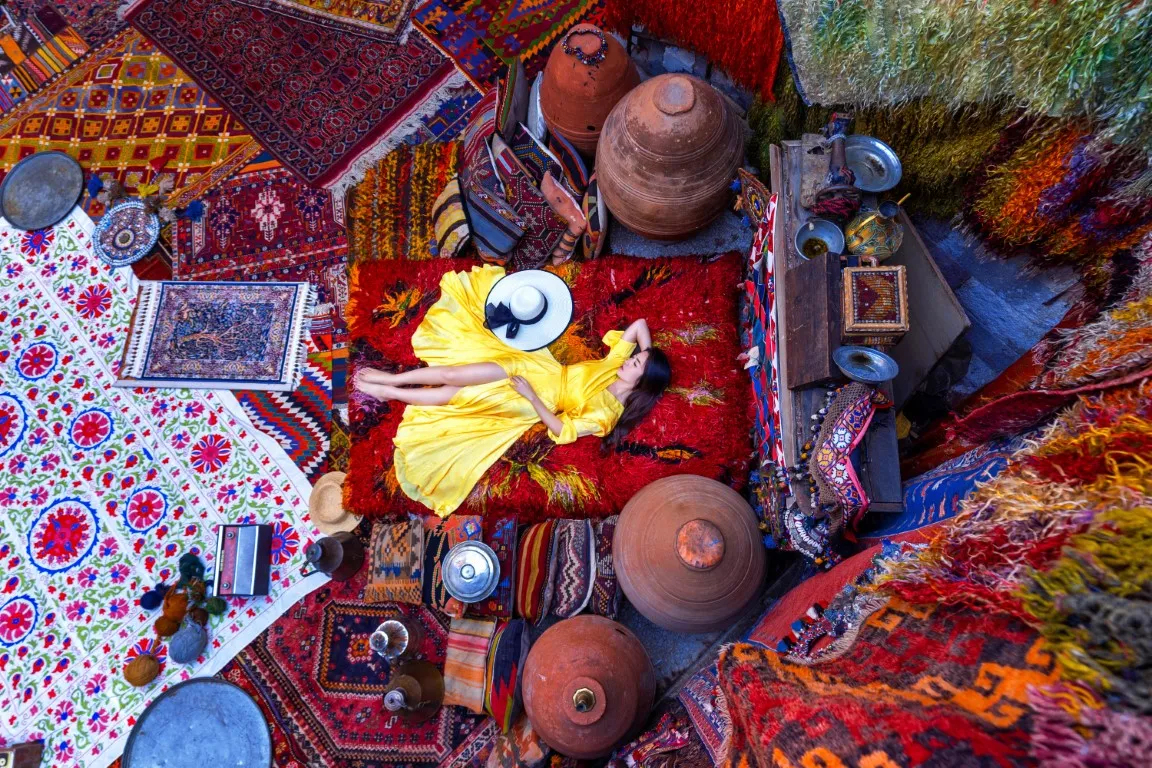
Many Moroccan people work in traditional crafts that have existed for centuries. Artisans in Fez, Marrakech, and other cities create products that reflect Moroccan heritage: carpets, pottery, leather goods, metalwork, and wooden decorations.
Some regions specialize in certain crafts. For example, the Sahara is known for nomadic jewelry, while the Atlas Mountains are famous for woven carpets. Moroccan people pass their skills to their children, keeping traditions alive and supporting local communities.
Modern Moroccan People
Tradition Meets Modernity
Today, Morocco’s people are a mix of traditional values and modern ambitions. For example, young generations are active online, speak multiple languages, and work in tourism, technology, education, and business. At the same time, despite modernization, they maintain strong cultural ties and continue to respect traditions passed down from their families.
Urban and Rural Lifestyles
Life in big cities like Casablanca, Marrakech, and Rabat is fast and modern. Meanwhile, rural areas live at a quieter pace, focused on agriculture, crafts, and community life. Both lifestyles are part of what makes Moroccan unique.
The Spirit of Moroccan People
The true spirit of Moroccan people lies in their optimism, kindness, and ability to make visitors feel at home. They value peace, respect, and friendship. Even with challenges, they maintain strong community bonds and a positive outlook on life.
For anyone visiting the country, connecting with Moroccan becomes the most memorable part of the journey. Their warm smiles, honest conversations, and simple generosity stay with you long after the trip ends.