Street Food in Morocco: A Journey Through Flavor, Culture, and Tradition
Morocco is a country where food is not just nourishment but a vibrant expression of culture, history, and daily life. Walking through the bustling medinas, coastal towns, and lively city squares, you will quickly discover that street food in Morocco is an essential part of the local experience. The aroma of sizzling meats, freshly baked bread, and fragrant spices fills the air, inviting visitors and locals alike to indulge in authentic Moroccan flavors. From early morning markets to late-night food stalls, Moroccan street cuisine offers a sensory adventure unlike any other.
The Rich Heritage Behind Street Food in Morocco
The diversity of street food in Morocco reflects centuries of cultural influences. Berber, Arab, Andalusian, and French traditions have all shaped the country’s culinary identity. Each region adds its own twist to popular dishes, creating a dynamic and ever-evolving street food scene.
In cities like Marrakech and Fez, food stalls line the narrow alleys of ancient medinas. Vendors often rely on family recipes passed down through generations. Cooking techniques remain traditional, with charcoal grills, clay ovens, and large metal pots dominating the scene. These methods preserve the authentic taste that makes Moroccan street cuisine so memorable.
Street food is deeply woven into daily Moroccan life. It is common to see workers grabbing a quick sandwich from a vendor or families gathering around food stalls in the evening. The affordability and accessibility of these dishes make them a staple for people from all walks of life.
Popular Dishes Found in Moroccan Street Markets
Exploring street food in Morocco means discovering an incredible variety of flavors and textures. One of the most beloved street snacks is msemen, a square-shaped Moroccan pancake that is crispy on the outside and soft on the inside. Vendors often serve it plain, with honey and butter, or stuffed with spiced vegetables or minced meat.
Another iconic offering is sfenj, a Moroccan doughnut fried to golden perfection. Sold fresh in the morning, sfenj is typically enjoyed with mint tea. Its light, airy texture and subtle sweetness make it a favorite breakfast treat.
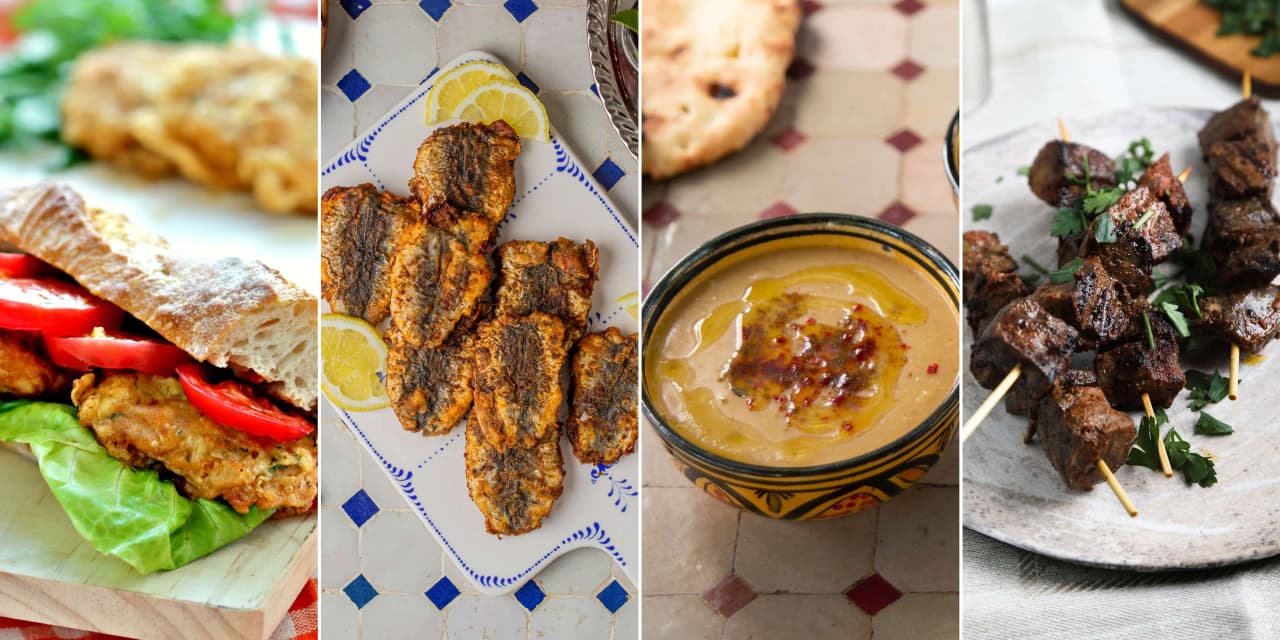
In larger squares such as Jemaa el-Fnaa in Marrakech, grilled meats dominate the food stalls. Skewers of seasoned beef, chicken, or lamb sizzle over open flames, releasing an irresistible aroma. These brochettes are often served with freshly baked khobz bread and a side of spicy harissa sauce.
Seafood also plays a prominent role, especially in coastal cities like Essaouira and Casablanca. Vendors offer freshly fried fish, calamari, and shrimp, seasoned simply with salt, cumin, and a squeeze of lemon. The freshness of the catch elevates the experience of Moroccan street dining.
The Unique Flavors and Spices of Moroccan Street Cuisine
What truly sets street food in Morocco apart is its masterful use of spices. Moroccan cooks create a delicate balance of sweet and savory flavors that defines their cuisine. Vendors add cumin, paprika, turmeric, ginger, and cinnamon to many street dishes, building complex yet harmonious tastes in every bite.
Ras el hanout, the signature Moroccan spice blend, plays a central role in seasoning meats and stews. Each vendor prepares a slightly different mix, giving their food a distinct and personal character. This approach transforms the culinary landscape and allows even the simplest sandwich to burst with bold flavor.
Fresh herbs such as cilantro and parsley bring brightness to many recipes, while preserved lemons deliver a tangy depth that elevates traditional dishes. Vendors offer olives in countless varieties, selling them as flavorful snacks or tucking them into sandwiches to add extra richness.
Street Food Culture in Marrakech
Marrakech stands at the heart of the street food in Morocco experience. As the sun sets, Jemaa el-Fnaa turns into a massive open-air restaurant. Vendors arrange their food stalls in neat rows, displaying colorful ingredients and steaming pots that instantly capture attention.
The atmosphere feels lively and energetic. Vendors call out to passersby and invite them to taste their specialties. Sizzling grills crackle beside musicians playing traditional rhythms, while visitors from around the world fill the square with conversation and excitement. Dining here offers more than a meal; it immerses you directly in Moroccan culture.
Locals prepare snail soup, known as babbouche, as one of Marrakech’s more adventurous street dishes. They simmer the snails in a fragrant broth packed with herbs and spices, creating a rich and warming flavor. Many people drink the broth for its believed health benefits. If you prefer something familiar, vendors serve kefta sandwiches stuffed with spiced minced meat and fresh salad, delivering a satisfying and flavorful bite.
Street Food in Fez and Northern Morocco
Fez offers a slightly different perspective on street food in Morocco. The city’s culinary traditions are deeply rooted in its history as a cultural and religious center. Here, street vendors often focus on hearty, comforting dishes.
Harira, a traditional Moroccan soup made with lentils, chickpeas, tomatoes, and spices, is commonly sold in small eateries and market stalls. It is especially popular during Ramadan but enjoyed year-round by locals.
In northern regions such as Tangier and Tetouan, Spanish influences are evident in the street food scene. Bocadillos, crusty sandwiches filled with tuna, olives, eggs, and fresh vegetables, are widely available. These sandwiches blend Moroccan ingredients with Mediterranean flair, reflecting the region’s unique cultural mix.
The Role of Mint Tea in Moroccan Street Dining
No discussion of street food in Morocco would be complete without mentioning mint tea. Known as atay, this sweet green tea infused with fresh mint leaves is a symbol of hospitality and community.
Street vendors often serve mint tea alongside snacks and meals. The tea is poured from a height into small glasses, creating a light foam on top. Its refreshing sweetness perfectly complements the bold spices found in Moroccan street dishes.
Sharing tea is an important social ritual. Whether enjoyed at a food stall or a small café, mint tea enhances the communal aspect of Moroccan street culture.
Why Street Food in Morocco Attracts Travelers Worldwide
Travelers are drawn to street food in Morocco not only for its affordability but also for its authenticity. Street vendors offer a direct connection to local life. Unlike fine dining restaurants, these humble stalls provide insight into everyday Moroccan traditions.
The visual appeal of Moroccan street markets adds to their charm. Pyramids of olives, colorful spice displays, and stacks of freshly baked bread create a feast for the eyes. Photographers and food enthusiasts find endless inspiration in these vibrant settings.
Food safety standards have also improved significantly in popular tourist areas. Many vendors prepare food fresh in front of customers, ensuring both quality and transparency. This has helped boost confidence among international visitors eager to explore Moroccan cuisine.
Experiencing the Future of Street Food in Morocco
While tradition remains central, street food in Morocco continues to evolve. In recent years, younger vendors have started experimenting with modern twists on classic recipes, and as a result, they incorporate global influences while still preserving authentic flavors. At the same time, food trucks and contemporary stalls are becoming more common in urban areas; consequently, they attract a new generation of curious food lovers.
Nevertheless, despite these innovations, the essence of Moroccan street cuisine remains unchanged. Above all, it stays rooted in community, craftsmanship, and a deep passion for bold flavors. Whether you savor a simple msemen at sunrise or enjoy grilled brochettes under the stars, each bite tells a story. In fact, every dish reflects Morocco’s rich cultural tapestry and long-standing culinary heritage.
Ultimately, street food in Morocco represents far more than a passing culinary trend. Instead, it serves as a living tradition that connects past and present, locals and visitors, as well as simplicity and sophistication. Therefore, for anyone seeking an unforgettable gastronomic adventure, Morocco’s vibrant streets offer an experience that lingers long after the final sip of mint tea.