Amazigh (Berber) Traditions Morocco: A Timeless Culture Rooted in Identity
Morocco is often described through its vibrant cities, colorful souks, and rich cuisine, but these familiar images only scratch the surface. At its core, the country draws its true identity from the enduring legacy of Amazigh (Berber) traditions Morocco. The Amazigh people, indigenous to North Africa, have shaped Morocco’s cultural fabric for thousands of years and continue to influence daily life across the country. Rather than remaining stuck in the past, their traditions evolve, adapt, and thrive in modern society.
From mountain villages to modern urban centers, Amazigh heritage continues to influence how people live, celebrate, and express themselves. This article explores the beauty, meaning, and uniqueness of Amazigh traditions in a way that feels human, authentic, and connected to real life.
The Roots of Amazigh Identity in Morocco
The Meaning Behind “Amazigh”
The term “Amazigh” translates to “free people,” and it perfectly reflects the spirit of independence and resilience that defines this culture. Indeed, this identity has shaped Amazigh communities for centuries. Long before modern borders emerged, they thrived across North Africa, building societies rooted in cooperation, adaptability, and respect for nature.
Language as a Cultural Anchor
At the heart of Amazigh (Berber) traditions Morocco lies the Tamazight language. More than just a means of communication, it serves as a powerful symbol of identity. Notably, people write Tamazight in the ancient Tifinagh script, which adds a visual connection to its heritage. In recent years, communities have revived the language, and you can now see it in schools, media, and public signage across Morocco.
Moreover, hearing Tamazight spoken in markets or villages creates a strong sense of continuity, as if the past still echoes in the present.
Daily Life in Amazigh Communities
Living Close to Nature
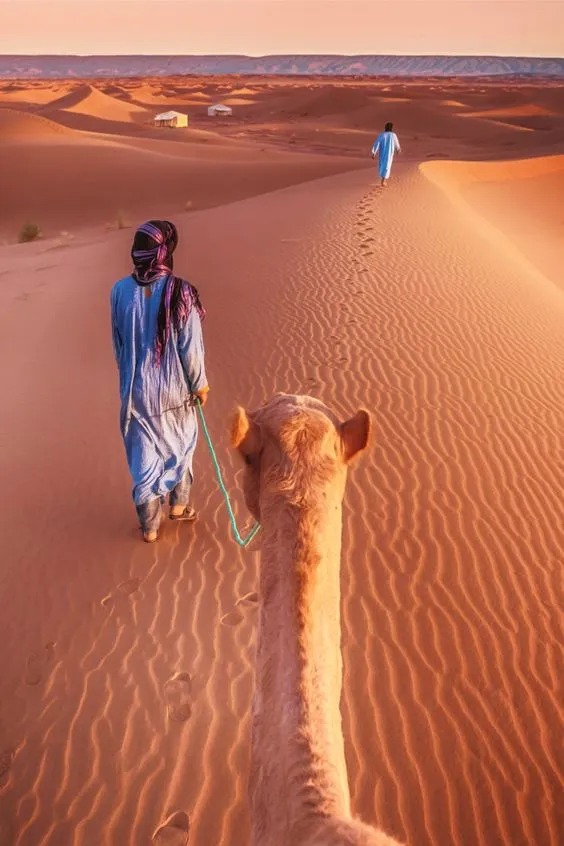
In regions like the Atlas Mountains and the Sahara, Amazigh communities live in close harmony with their environment. For example, they build homes using natural materials such as clay and stone, which help keep interiors cool in summer and warm in winter.
At the same time, agriculture plays a central role in daily life. Families grow their own food, raise livestock, and follow the rhythm of the seasons. As a result, this deep connection to the land remains a defining feature of Amazigh culture in Morocco.
Amazigh culture Morocco lifestyle Morocco.
The Power of Community
Amazigh culture places strong emphasis on community and cooperation. Neighbors support each other during harvests, celebrations, and even difficult times. Family structures are often extended, with multiple generations living together or nearby.
This sense of belonging creates a lifestyle where no one feels isolated—something increasingly rare in modern societies.
Amazigh Art: Stories Woven in Every Detail
The Symbolism of Amazigh Rugs
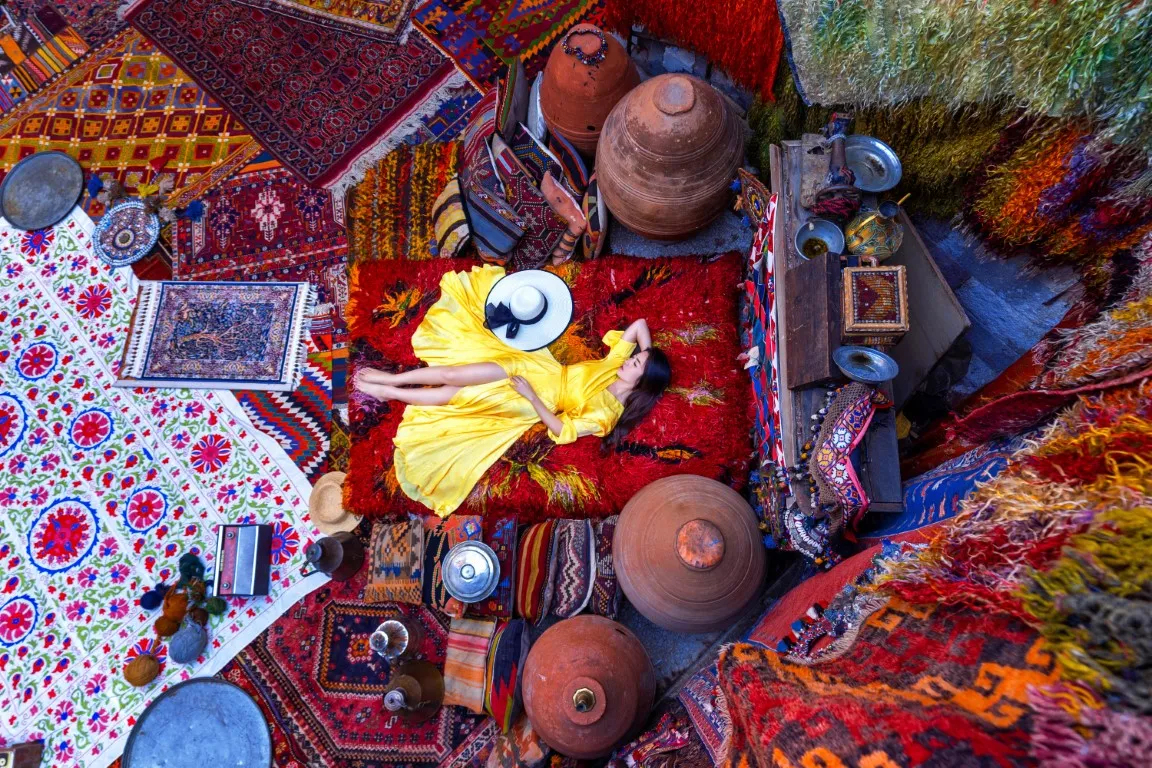
One of the most iconic expressions of Amazigh (Berber) traditions Morocco is rug weaving. Each rug is handmade, often by women, and filled with symbols that carry deep meanings—fertility, protection, strength, and spirituality.
What makes these rugs unique is that no two are exactly alike. They are personal, almost like visual diaries, reflecting the life experiences and emotions of the weaver.
Jewelry as Identity
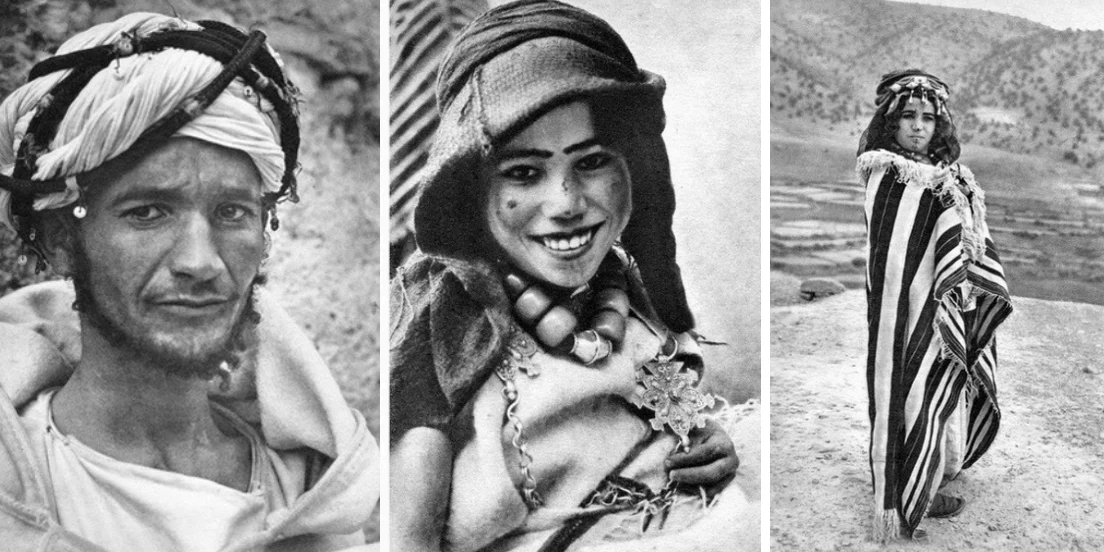
Traditional Amazigh jewelry is bold and expressive. Crafted mainly from silver, it often includes colorful stones and intricate designs. These pieces are not just decorative; they tell stories about the wearer’s tribe, marital status, and social role.
Wearing such jewelry is a way of carrying heritage with pride.
Food and Culinary Traditions
A Cuisine of Simplicity and Depth
Amazigh cuisine is built on simple, local ingredients, yet the flavors are rich and comforting. Dishes like tagine and couscous are staples, prepared with vegetables, grains, and sometimes meat.
Food is not just nourishment—it is a cultural experience. Meals are often shared, reinforcing the importance of family and togetherness.
Bread: The Heart of Every Meal
In Amazigh households, bread is sacred. It is baked daily and treated with respect. Sharing bread is seen as a sign of unity and hospitality, a small act that carries deep cultural meaning.
Festivals and Celebrations
Yennayer: The Amazigh New Year
Yennayer is one of the most important celebrations in Amazigh (Berber) traditions Morocco.
It marks the beginning of the agricultural year, and families celebrate it with special meals, music, and gatherings.
During Yennayer, people perform meaningful rituals to invite prosperity, health, and good fortune for the year ahead.
Music, Dance, and Expression
Music and dance are essential parts of Amazigh celebrations. Traditional rhythms, often accompanied by drums and hand clapping, create a powerful sense of unity.
Dances are performed in groups, symbolizing harmony and collective identity. These moments are not staged performances—they are genuine expressions of joy and belonging.
Spiritual Beliefs and Connection to Nature
A Deep Respect for the Earth
Amazigh traditions reflect a deep spiritual connection to nature. In fact, people view mountains, rivers, and landscapes as more than physical spaces—they see them as part of a larger spiritual world.
Because of this, respect for nature strongly influences how communities interact with their environment. As a result, they practice sustainable living, long before it became a global concern.
Oral Storytelling Traditions
Equally important, storytelling plays a vital role in preserving Amazigh culture. Elders pass down knowledge, history, and moral lessons through spoken word, keeping traditions alive across generations. Moreover, these stories carry rich symbolism and offer wisdom about life, relationships, and survival.
For listeners, these tales feel like stepping into another world—one where imagination and reality blend seamlessly.
The Modern Revival of Amazigh Culture
A Growing Cultural Recognition
In recent years, Morocco has taken steps to recognize and promote Amazigh heritage. Tamazight is now an official language, and cultural festivals celebrate Amazigh identity across the country.
This revival is not just political—it is deeply personal for many Amazigh people who see their culture gaining the respect it deserves.
Influence on Contemporary Life
Today, Amazigh traditions continue to inspire modern Moroccan art, fashion, and design. Traditional patterns appear in clothing, home décor, and even digital media.
Young generations are finding new ways to express their heritage, blending tradition with innovation in creative and meaningful ways.
Why Amazigh culture Morocco Traditions Still Matter
In a fast-changing world, the preservation of Amazigh (Berber) traditions Morocco offers something rare: authenticity. These traditions remind us of the importance of community, respect for nature, and cultural identity.
They are not just part of Morocco’s past—they are shaping its present and future.
Final Reflection
Exploring Amazigh traditions is like uncovering the soul of Morocco. It goes beyond tourist experiences and reveals a way of life built on resilience, creativity, and connection.
Whether through the patterns of a handmade rug, the rhythm of a traditional dance, or the warmth of shared bread, Amazigh culture leaves a lasting impression. In fact, each of these elements tells a deeper story about identity and heritage. Moreover, they reflect a way of life rooted in connection and meaning. As a result, visitors don’t just observe Amazigh traditions—they truly feel them and carry those memories long after.
Ultimately, this rich culture invites you to slow down, observe, and appreciate the beauty of traditions that have stood the test of time. In doing so, you gain more than just knowledge. Indeed, by understanding Amazigh (Berber) traditions Morocco, you don’t simply learn about a culture—you connect with a deeper human story that continues to unfold every day.