The Magic of Moroccan Medinas
The Magic of Moroccan Medinas lies in the historic, walled sections of Moroccan cities, many of which date back several centuries. These medinas are characterized by narrow, winding streets, enclosed marketplaces, residential riads, mosques, and bustling public squares. Exploring the Magic of Moroccan Medinas reveals a city designed for pedestrian movement and local trade rather than modern transportation, reflecting centuries-old urban planning practices.
Each medina contributes uniquely to the overall Magic of Moroccan Medinas, retaining its own architectural and cultural identity shaped by local materials, construction techniques, and social customs. Visitors often discover that the true Magic of Moroccan Medinas is not only in their physical layout but also in the vibrant daily life, local crafts, and traditions preserved through generations.
Understanding the Magic of Moroccan Medinas helps appreciate why these urban treasures are carefully preserved today, blending tourism with heritage conservation. Whether wandering through a quiet alley or a lively souk, the Magic of Moroccan Medinas is always present, inviting exploration and admiration.
Morocco
Historical and Urban Context
The origins of a Moroccan medina often date back to the medieval period, with foundations influenced by Berber, Arab, and Andalusian urban traditions. City walls were built for defense, enclosing both residential and commercial areas. Gates provide controlled access, and each gate often has historical or ceremonial significance. The urban layout of a Moroccan medina is labyrinthine, designed to provide shade, privacy, and protection from the climate. Streets typically branch irregularly, with secondary alleys leading to private homes, courtyards, and small public spaces.
Architecture and Structures
Buildings in a Moroccan medina frequently include multi-story residences surrounding inner courtyards known as riads. These courtyards often feature fountains, gardens, and decorative tilework called zellij. Doors and windows are commonly adorned with carved wood, painted designs, or geometric patterns. Public structures such as mosques, madrasas, and hammams are integrated into the urban fabric, serving both religious and communal functions. The construction materials typically include local stone, mud brick, and plaster, contributing to the aesthetic consistency of the medina.
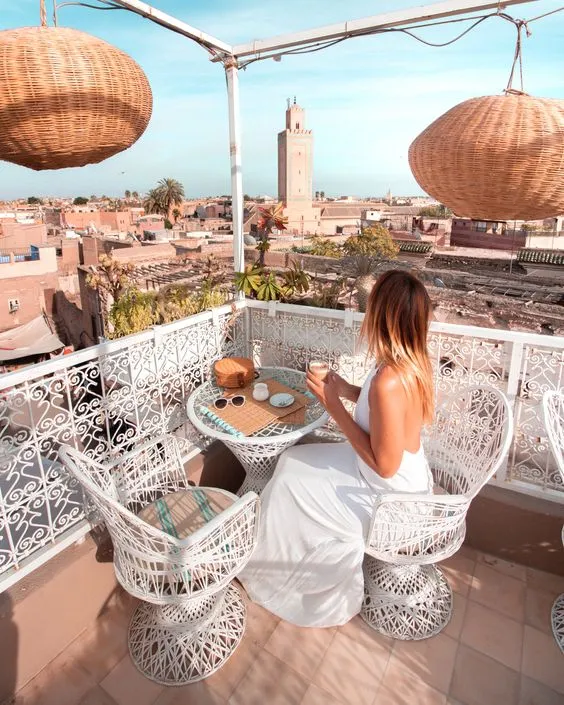
The architectural features of a Moroccan medina are closely related to climate and lifestyle. Narrow streets reduce sun exposure and create cooler microclimates. Buildings are oriented to provide privacy and limit visibility into homes, while courtyards allow natural ventilation and light. The combination of functional and decorative design contributes to the medina’s distinctive visual character.
Souks and Commerce
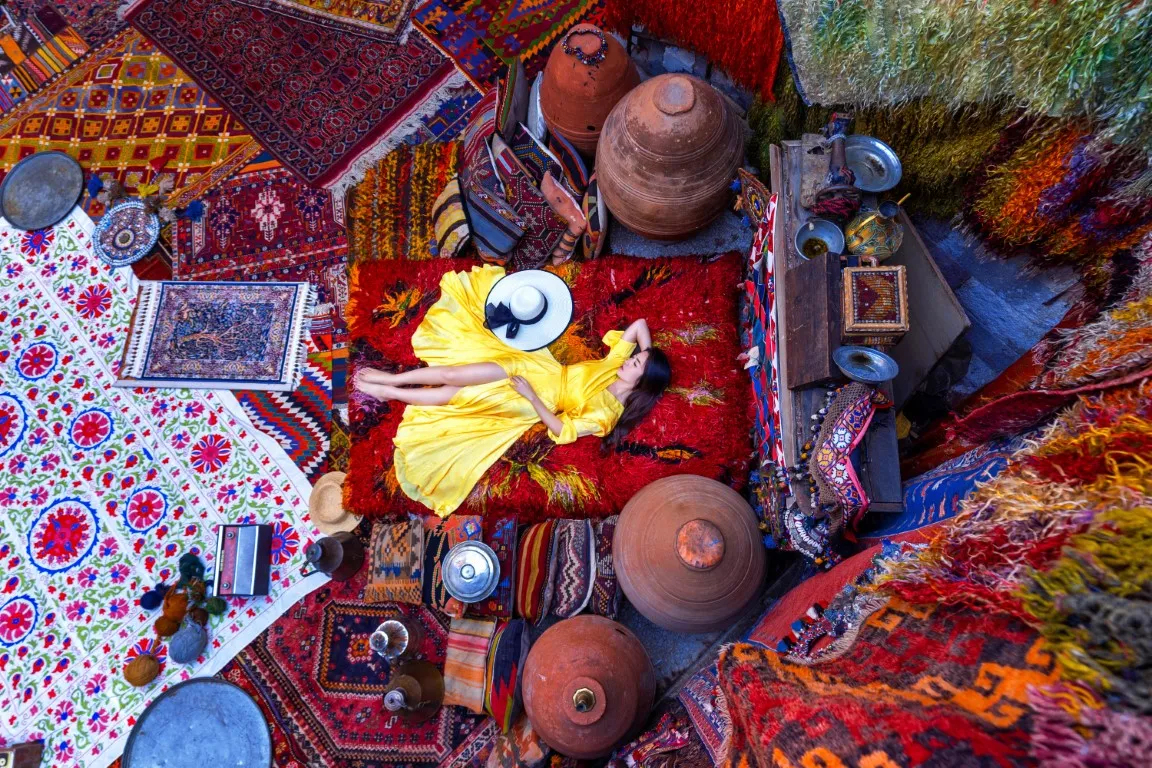
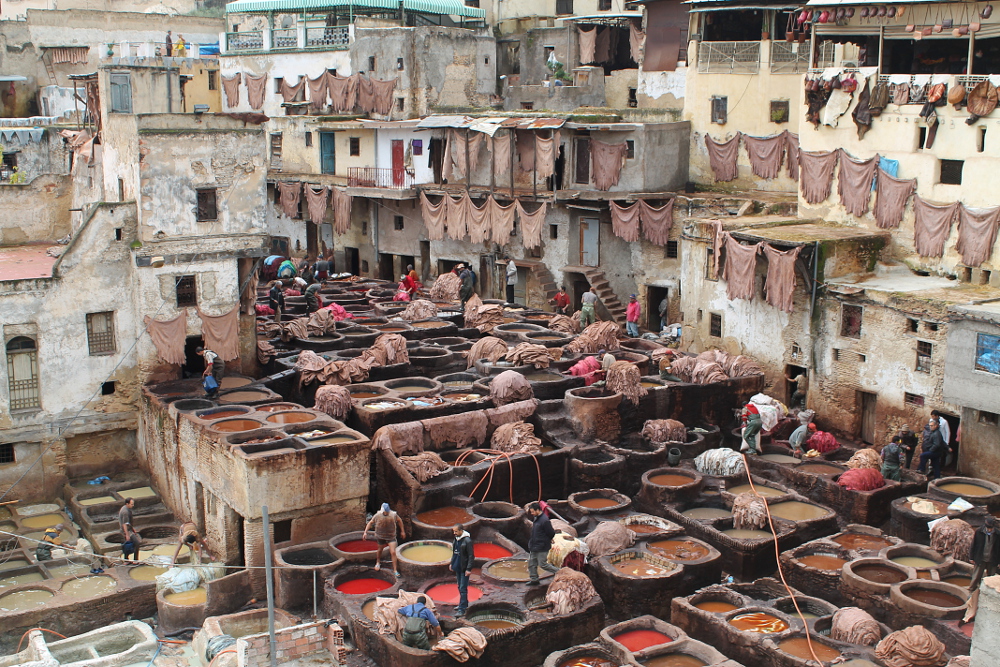
At the core of a Moroccan medina is the souk, or market. Souks serve as centers of commerce and social interaction, offering a wide range of goods including textiles, leather products, ceramics, spices, jewelry, and traditional crafts. Many items are handmade, with techniques passed down through generations. The souk is organized by trade or material, with streets or sections dedicated to specific products such as leather, metalwork, or carpets.
Trading in a Moroccan medina often involves negotiation and bargaining, which is a traditional aspect of commerce in these urban areas. Souks are not only economic centers but also spaces for cultural exchange, providing opportunities for residents and visitors to engage with artisans and local vendors. The layout of a souk facilitates circulation and interaction while maintaining the medina’s intricate street pattern.
Sensory Characteristics
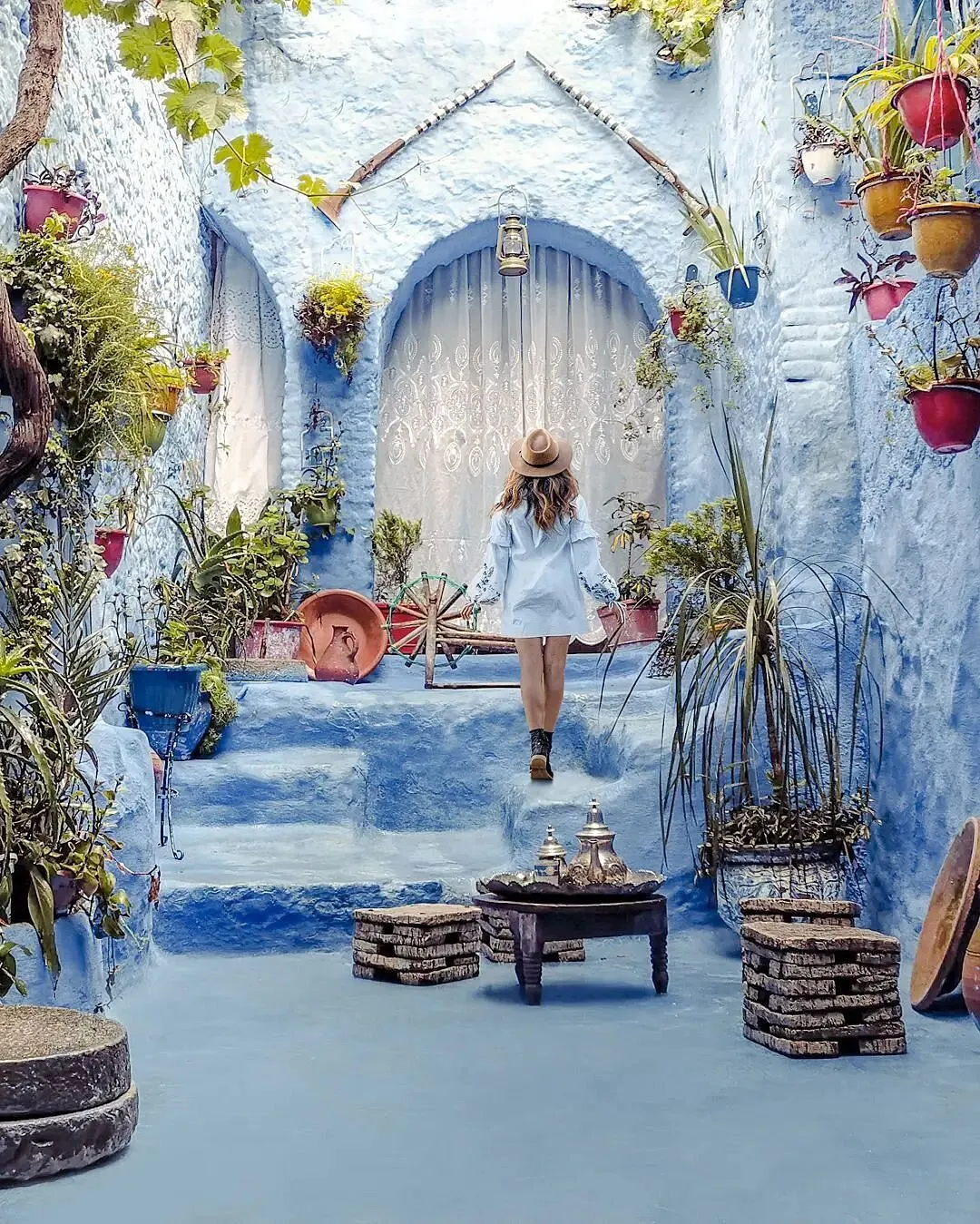
A Moroccan medina is characterized by distinctive visual, auditory, and olfactory features. Visually, medinas are known for colorful textiles, patterned tilework, painted doors, and decorative lanterns. Street corners and storefronts display goods in organized arrangements that highlight craftsmanship and design. Architectural ornamentation and natural light contribute to the overall aesthetic experience of the medina.
Auditory characteristics include the sounds of commerce, such as calls from vendors, the hammering of metal, and the movement of pedestrians. Traditional music, the call to prayer, and conversation form part of the medina’s soundscape. These sounds are consistent with the daily routines and social activities of the community.
Olfactory elements are equally notable in a Moroccan medina. The air may carry the scent of spices, baked goods, leather, herbs, and incense. These fragrances vary from street to street and contribute to the overall sensory identity of the medina. The combination of visual, auditory, and olfactory elements makes the Moroccan medina a multisensory urban environment.
The Magic of Moroccan Medinas Residential Areas Residential
sections of a Moroccan medina are typically composed of riads and private homes that are accessed through narrow alleys. Houses are constructed around internal courtyards to provide privacy, natural light, and ventilation. Interiors often nclude decorative elements such as mosaic tiles, carved plaster, and wooden ceilings. Some residences have multiple stories, with upper floors providing views of the street and surrounding buildings. The spatial arrangement of residential areas emphasizes community interaction while preserving privacy. Shared public spaces, small squares, and courtyards allow residents to gather for social or religious activities. This organization contributes to the social cohesion of the
Moroccan medina.
Cultural and Social Functions
A Moroccan medina functions as a living cultural center. Religious, commercial, and domestic activities coexist within the same urban space. Mosques, madrasas, and hammams serve religious and social purposes. Schools, artisan workshops, and marketplaces support education, skills transfer, and economic activity. Public spaces facilitate social interaction, festivals, and traditional ceremonies.
The continuity of these activities demonstrates the medina’s role in preserving cultural heritage. Residents maintain traditional clothing, food preparation, crafts, and social customs, contributing to the historical authenticity of the Moroccan medina.
Magic of Moroccan Medinas Tourism and Preservation
Tourism is a significant aspect of many Moroccan medinas. Visitors are attracted to historical architecture, marketplaces, and cultural experiences. Regulations often seek to balance tourism with the needs of residents, ensuring that urban life and traditional practices continue alongside visitor activity. Preservation initiatives focus on maintaining building integrity, protecting historic sites, and supporting local craftsmanship.
Tourist routes often highlight key landmarks, souks, and riads while allowing exploration of side streets. Guided tours, workshops, and cultural exhibitions provide additional opportunities for visitors to understand the function and history of the Moroccan medina.
Navigation and Urban Planning
Navigation within a Moroccan medina is typically complex due to irregular street patterns and limited signage. Streets often lead to hidden courtyards, secondary alleys, and public squares. The design reflects historical needs for defense, privacy, and microclimate control. Landmarks such as mosques, fountains, and gates serve as orientation points.
The urban layout of a Moroccan medina supports both residential and commercial activities within a compact area. Public squares and street intersections facilitate trade, social interaction, and transportation of goods. Pedestrian pathways prioritize accessibility for residents and visitors while minimizing congestion.
Summary
Magic of Moroccan Medinas
A represents a historical, cultural, and architectural urban unit. Walled and pedestrian-oriented, it includes residential areas, marketplaces, religious institutions, and public spaces. The sensory characteristics of the medina—visual, auditory, and olfactory—contribute to its identity. Souks provide economic and social functions, while residential areas and riads support privacy, community, and tradition. Preservation efforts maintain historical integrity, and tourism provides economic support while allowing cultural exchange. Overall, the Moroccan medina is a living urban environment that combines heritage, commerce, and social life.